


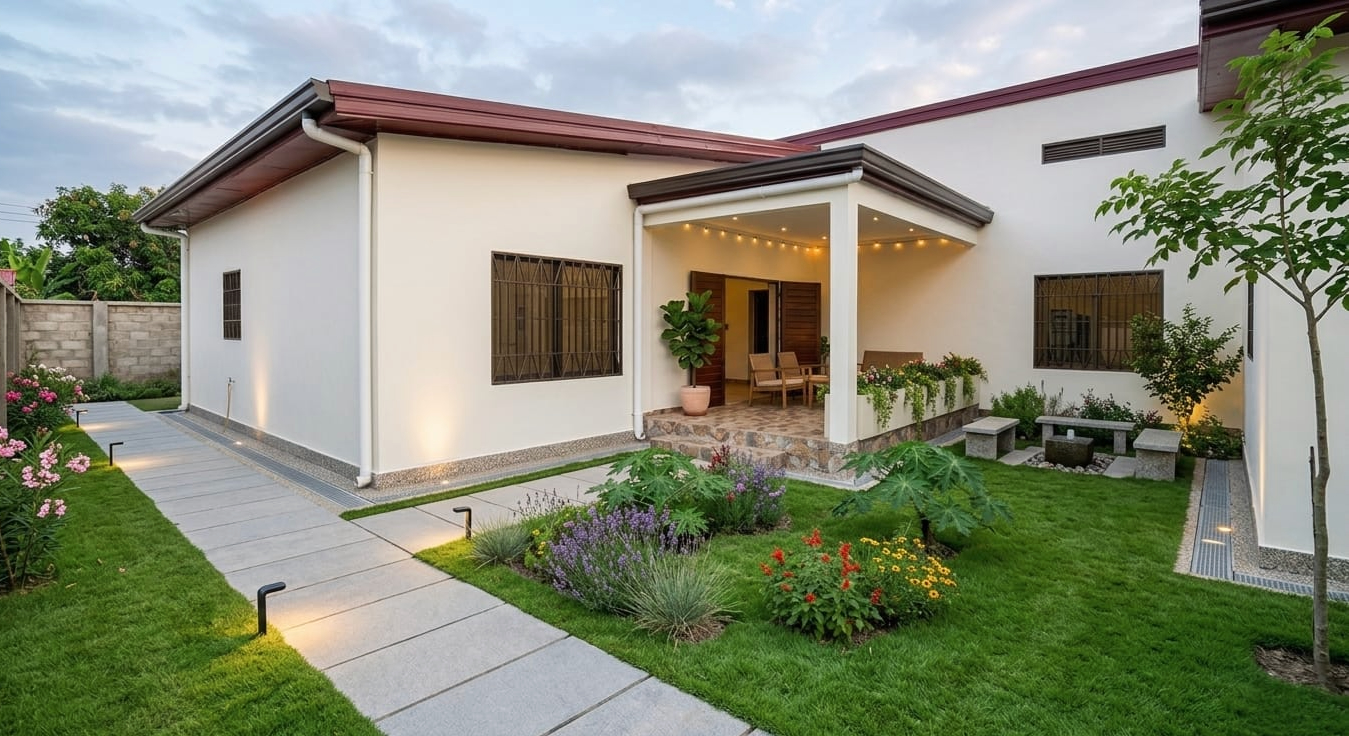
Building a family house should be a joyful milestone. It should represent years of sacrifice, discipline, and hope for a better future. In Cameroon, however, it often becomes a stressful and expensive lesson in how the lack of professionalism affects everyday life. I say this from the perspective of someone building a home for my family, but the same logic applies to commercial buildings, rental properties, and public infrastructure.
What should be a clear process (design, build, finish, move in) too often turns into delays, poor workmanship, repeated corrections, and constant compromise.
Paying more for what should have been done once
One of the most common problems in construction is having to redo work that should have been correct from the start. Walls are misaligned, plumbing leaks after installation, tiles are uneven, roofing lets water in during the first rains, or electrical systems are installed carelessly and need correction.
Each mistake means new spending on labor, new materials, and lost time. Cement, steel, wood, paint, and fittings are already costly. When they are wasted because of negligence or lack of skill, families are forced to spend money twice for the same result.
For a household financing its own home step by step, these extra costs can delay completion by months or years.
The emotional cost on families
The financial burden is only part of the story. A family house carries emotional meaning. It is where children grow up, where parents hope to rest after years of work, and where people expect peace and security.
Instead, many families face arguments, disappointment, and exhaustion. Savings disappear into repairs. Plans are postponed. Moving in is delayed. Even after occupation, new defects keep appearing (leaks, damp walls, cracks, drainage issues, power faults).
Rather than enjoying the comfort of a new home, families continue living in a construction problem. The stress affects relationships and creates a constant feeling that the project will never truly end.
Moisture: the silent damage in many homes
One of the most widespread issues in Cameroon is poor protection against moisture. Waterproofing is neglected, drainage is badly designed, roofs are rushed, and exterior finishes are done without care.
The result is familiar in many homes: peeling paint, mold, humid rooms, damaged ceilings, weakened walls, and furniture deterioration. Over time, moisture can also corrode metal reinforcement and reduce the long-term strength of the structure.
These are not cosmetic issues. They reduce comfort, create health concerns, and generate continuous maintenance costs.
Low standards destroy long-term value
When homeowners become tired of fighting every defect, many simply accept “good enough.” Doors that do not close properly, uneven floors, recurring leaks, or visible cracks become normal.
But a house built with poor standards loses value as an asset. It requires more maintenance, ages faster, and becomes more expensive to improve later. Instead of creating security for the next generation, it becomes a permanent source of expense.
The same applies to shops, offices, and rental buildings. Poor construction increases operating costs and reduces trust in the wider market.
Bad governance makes the problem worse
A major reason this situation continues is weak governance. In theory, poor workmanship should have consequences. Contracts should be respected, standards enforced, and disputes settled fairly.
In practice, legal recourse is often slow, expensive, and uncertain. Many people believe that to get action at all, one must pay unofficially or know the right connections. This discourages ordinary citizens from pursuing justice. As a result, careless workers and dishonest contractors often face little accountability.
When institutions fail, poor practices become normal.
A national economic problem
What looks like a private household struggle is actually a broader economic issue. Money that could be invested in education, business, healthcare, or new projects is consumed by repairs and delays. Productivity is lost. Trust between clients and workers declines. Skilled professionals are undervalued while shortcuts are rewarded.
Construction should help build national wealth. Instead, too often it destroys household savings.
What needs to change
Cameroon needs stronger vocational training, genuine certification of tradespeople, enforcement of building standards, and accessible justice when contracts are broken. Honest professionals should be rewarded, and clients must learn to value competence over the cheapest offer.
Most of all, professionalism must be understood as more than personal pride. It is a foundation of economic progress.
Final thought
A family house should bring stability and dignity. Too often, it brings frustration, repeated costs, and avoidable stress. Cameroon does not lack ambition or hardworking people. What is too often missing is the professionalism and governance needed to turn effort into durable results.